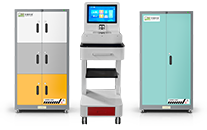
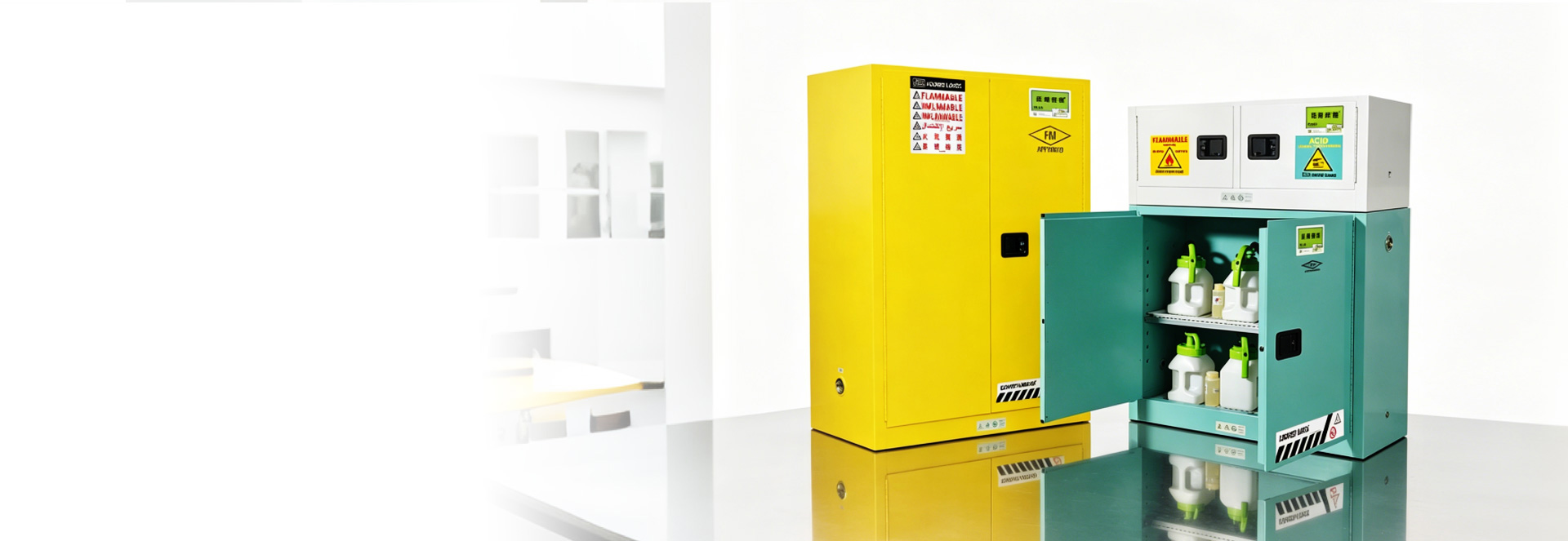
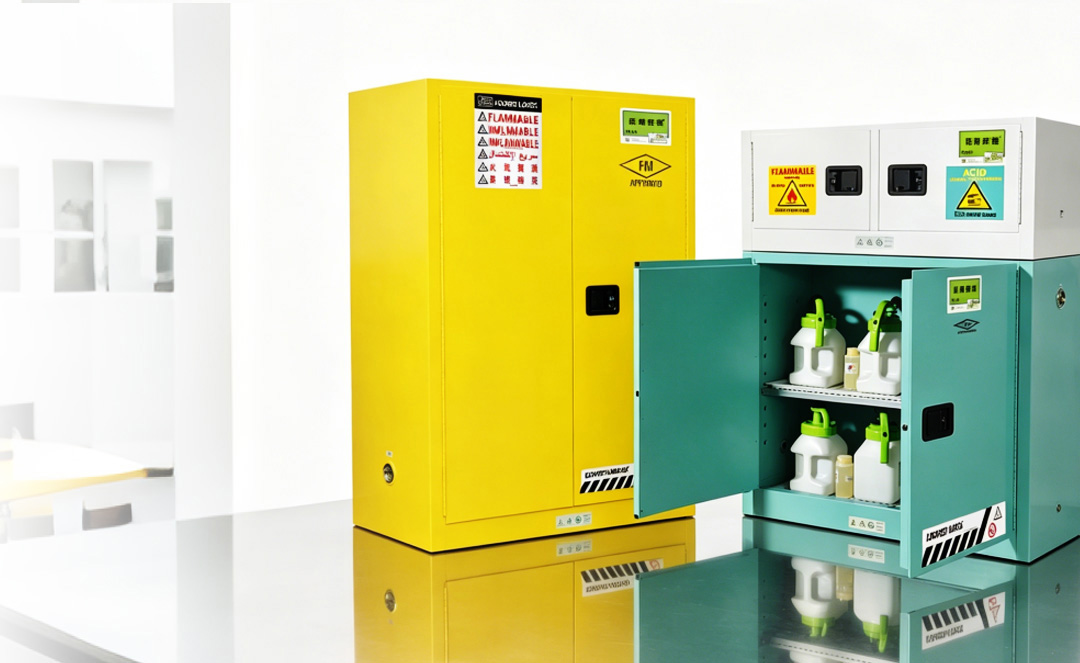
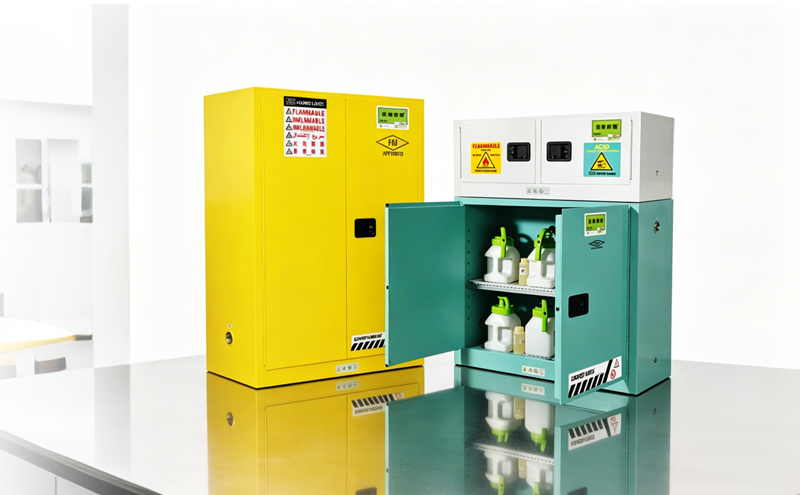
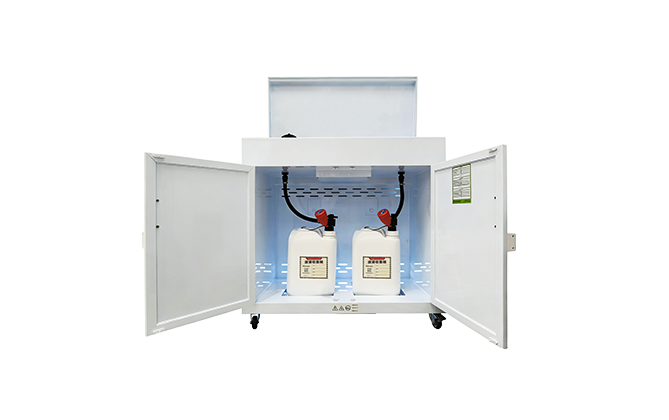
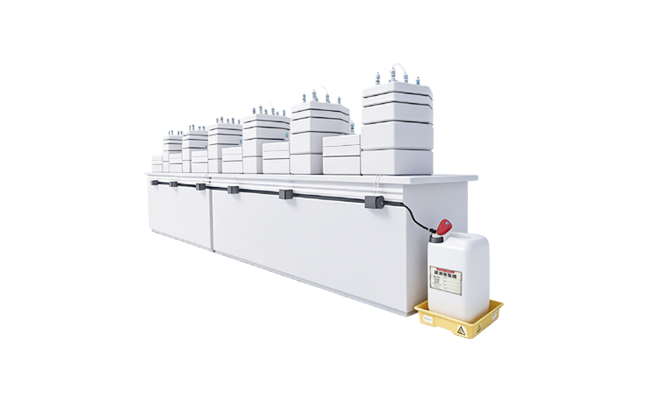
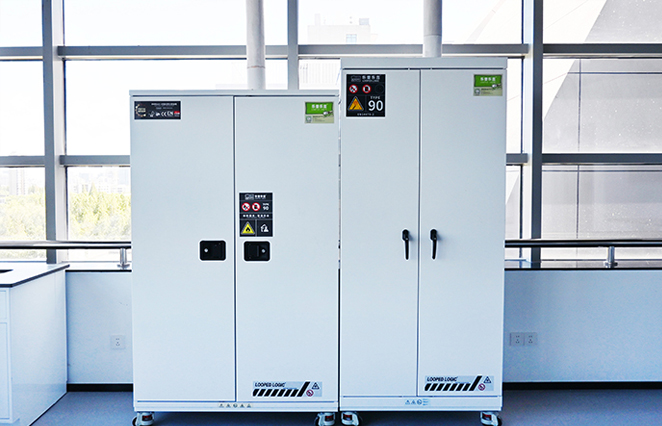
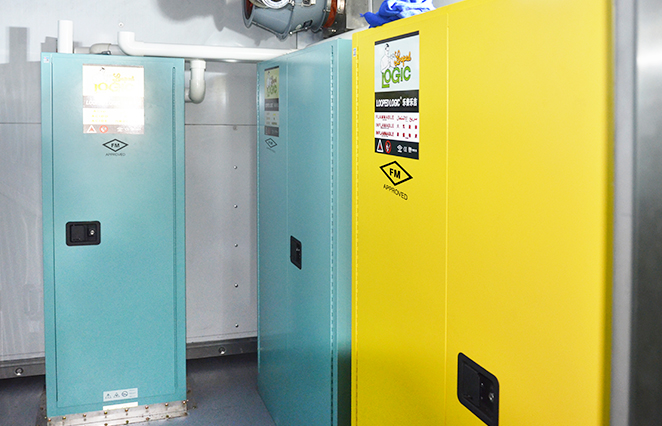
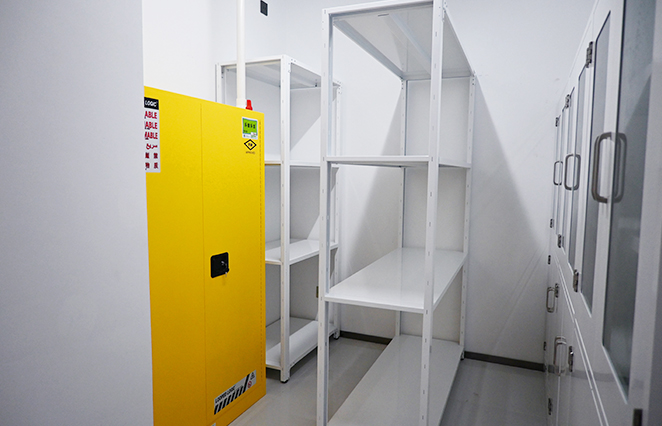
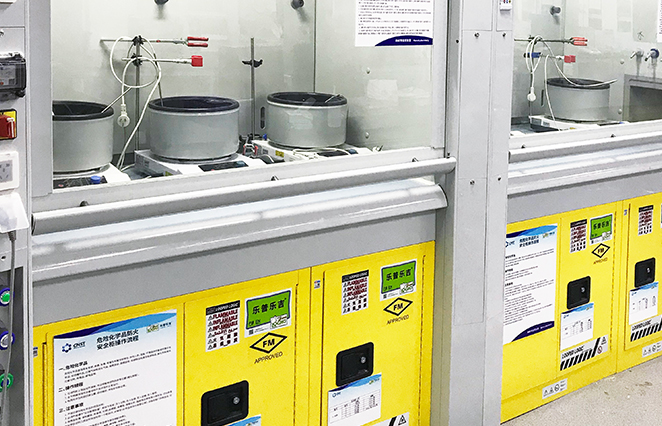
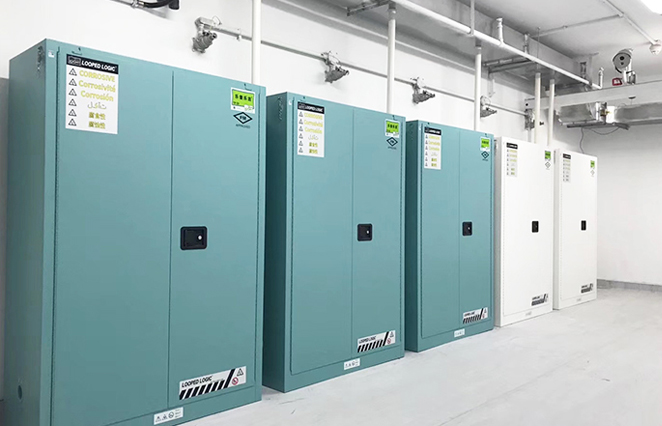
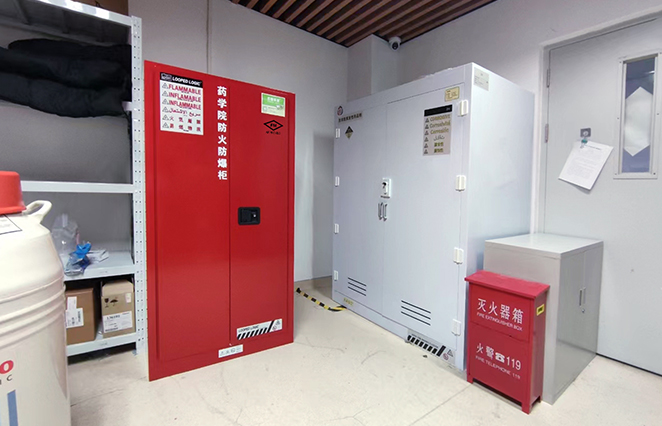
Fire-safe storage cabinets are essential to hazardous chemical safety. Not every yellow metal cabinet or general-purpose storage cabinet provides meaningful fire protection. SAN Group designs its cabinets around four core requirements: fire protection, theft prevention, corrosion resistance, and load capacity. Its fire-safe storage cabinets comply with recognized FM/EN requirements and have also obtained stringent FM certification.
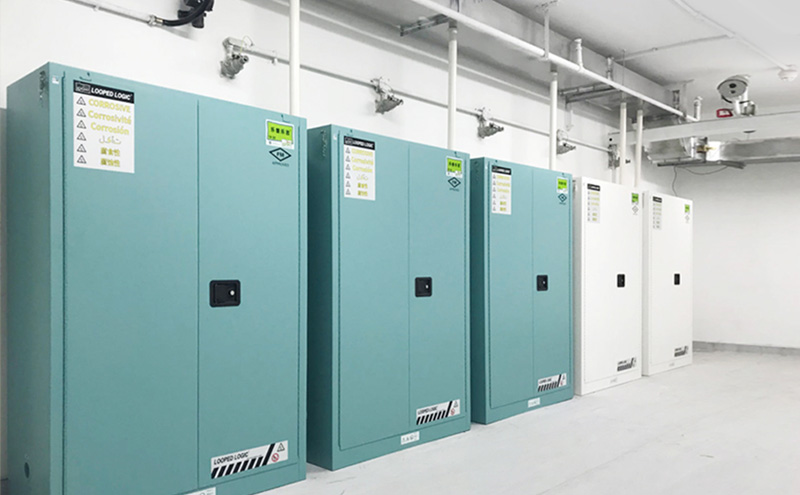
Fire resistance is the first priority for cabinets used to store flammable or explosive reagents. In a fire, it can also buy crucial time for personnel to evacuate and for responders to reach the area. Looped Logic® fire-safe storage cabinets from SAN Group comply with European EN fire-resistance requirements and hold U.S. FM dynamic certification, with conformity independently verified through third-party oversight. The design integrates fire protection, anti-theft protection, corrosion resistance, and structural load capacity to provide dependable protection for chemicals, personnel, and property.

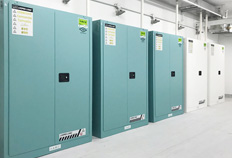
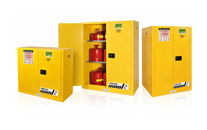
Fires account for a large share of chemical incidents. Solvents, oxidizers, reactive metals, and other chemicals may be flammable, explosive, oxidizing, or have low flash points, so even small sparks, static electricity, incompatible mixing, or temperature-control failures can trigger fire or explosion.
Effective fire protection reduces risk at the source. FM certification in the United States and EN standards in Europe establish demanding requirements for cabinet design, materials, and fire performance.
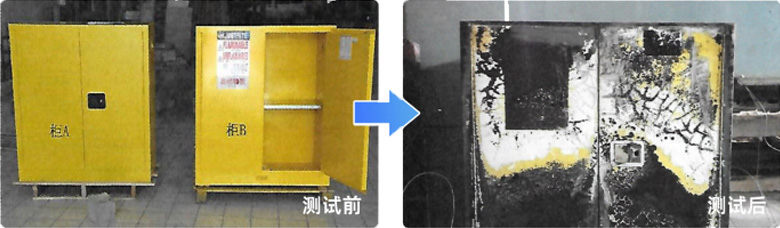
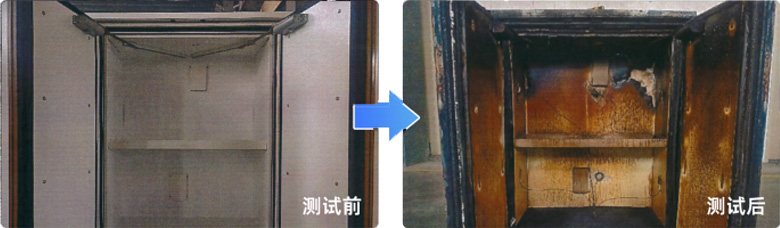
SAN Group cabinets have been evaluated through third-party fire testing and certification. FM 6050 includes a severe 10-minute fire test and recurring factory-compliance audits; EN 14470 classifies fire resistance by the time required for the cabinet interior temperature to rise by 180 K, including 30-, 60-, and 90-minute classes.

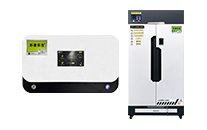
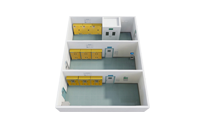
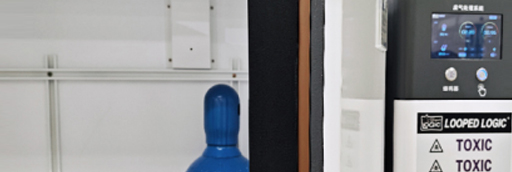
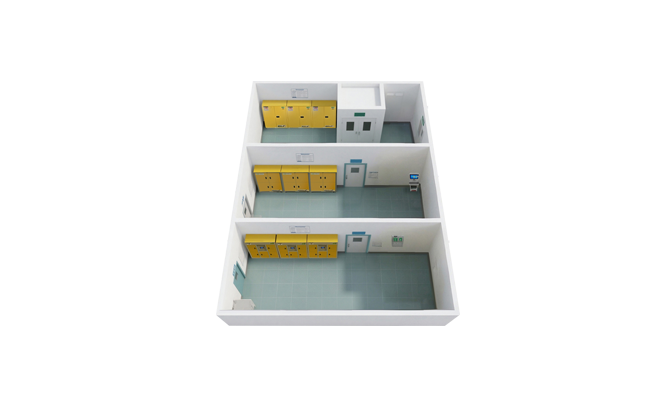
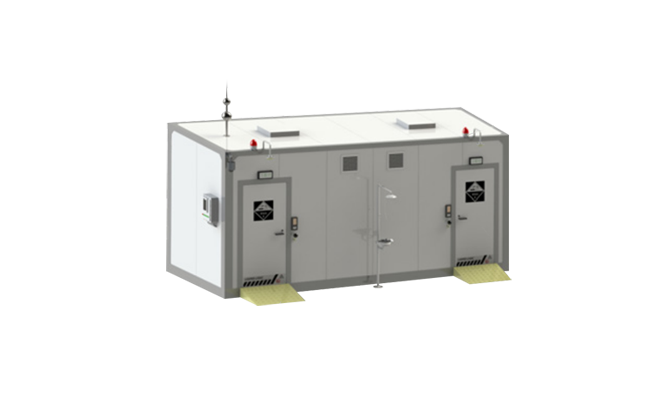
SAN Group and Looped Logic® conduct a comprehensive assessment of safe-storage conditions to meet project-specific reagent-storage requirements. FM/EN-certified fire-safe cabinets provide a robust safety baseline; the intelligent management system enables precise, traceable closed-loop control; risk-alert functions flag hazards early; and optimized space planning improves day-to-day management while supporting rapid emergency response. The Reagent Storeroom Equipment Solution addresses mixed or misplaced reagents, inadequate cabinet functionality, and inaccurate inventory records, helping maximize laboratory personnel safety.
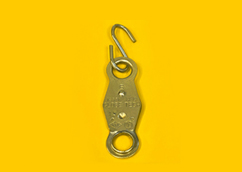
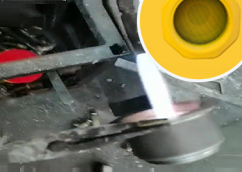
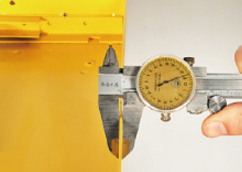
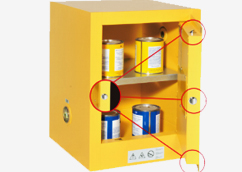
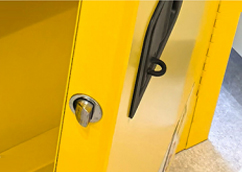
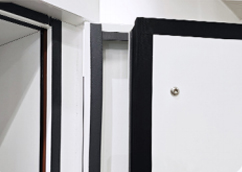
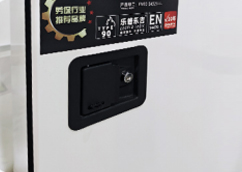
Manual door closing has low fire isolation efficiency and poses a high risk to both people and objects. The cabinet door gap is too large, making it easy for external sources of fire to invade. Ordinary cabinets are prone to disintegration when exposed to high temperatures, and reagents tend to pour and aid in combustion. The material of the lock tongue is poor, melting when exposed to fire, and the reagents are easily exposed. There are no flame arresters in the ventilation openings, which can cause a chain explosion when exposed to fire inside the cabinet.
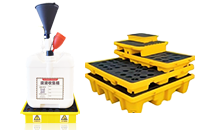
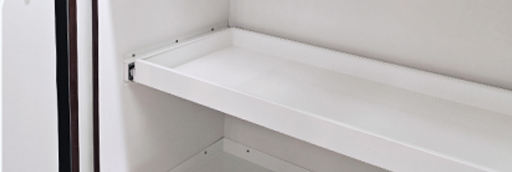
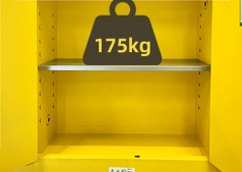
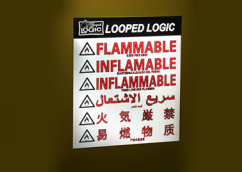
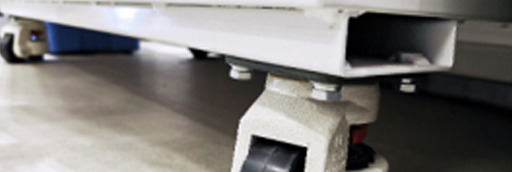
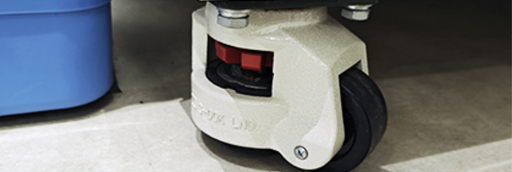
Poor load-bearing capacity, easy to collapse, containers prone to breakage and leakage, ordinary printed labels without night warning, vacuum formed trays not corrosion-resistant, swollen and cracked.